








What Is Abstract Art? A Complete Guide to Its Meaning, History, and Impact
Imagine entering a hotel lobby or a contemporary office where a large canvas dominates the room, color stretches across the wall, and shapes collide, soften, and pull you in. This is the very definition of what abstract art represents and why it continues to influence our perception of form and color. You can feel, interpret, and relate to abstract art without any landscape, portrait, or subject matter in sight.
From the experiments of the early twentieth century to the present day, abstract art has become one of the most influential movements in the art world. In this guide, we’ll discuss how abstract art emerged, its definition, the movement behind it, and why it has become such an influential centerpiece for homes, offices, and hotels.
Let’s get right into it!

What Is the Definition of Abstract Art?
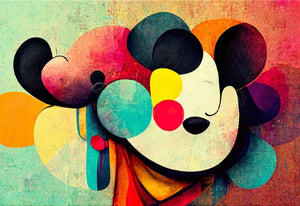
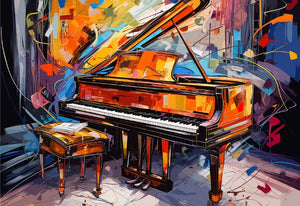
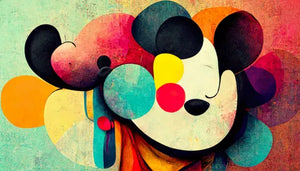
To define abstract art, we must recognize that abstract art doesn’t try to realistically depict the world. Instead, it departs from representational images and focuses on color, line, shape, texture, and form as the main subjects of the artwork. Some abstract artworks break down real-life objects into simple forms. Others are totally abstract and lack any references to real-life images. In both cases, abstract artists rely on an innovative visual language to communicate meaning.
Abstract painting is a contemporary art that employs shapes, colors, lines, and forms to express feelings, ideas, or concepts. Instead of trying to represent reality in a literal way, abstract works suggest, distort, or abandon it entirely.
Non‑Objective vs. Semi‑Abstract Art
Both methods are important within different art movements, playing a part in the work of abstract artists today.
-
Non-objective art contains nothing related to real objects. These artworks are in themselves unrelated to the real world. They come in pure abstraction or total abstraction.
-
Pure Abstraction: This suggests the artist has distilled a subject down to its most basic, pure elements, like color or rhythm. The artwork can be "abstracted from" something real (like a flower) until it is unrecognizable.
-
Total Abstraction: This does not start with a subject at all. The shapes and colors are the primary reality. The artwork starts from zero. It’s "total" because there was never a reference point in the first place.
-
Semi-abstract, or partial abstraction, starts out with something recognizable and then reduces, exaggerates, or distorts it. You can sense it’s a figure, landscape, or natural phenomenon without seeing it clearly.
Abstract Art's Visual Elements
Abstract art is a language of visual expression rather than narrative themes. Its meaning is derived through color, gesture, shape, and composition:
-
Shapes add organization to the composition, although these range from geometric order to organismic forms.
-
Colors and tones establish the mood. For instance, warm colors radiate dynamic energy, while cold colors invite contemplation.
-
The composition itself, the way it leads the viewer’s eye, makes spontaneity seem deliberate.
-
Gestural brushwork captures movement or emotions, particularly in expressive abstraction. Many artists prefer oil on canvas for abstract artwork because it allows them to create textural layers, depth, and movement.
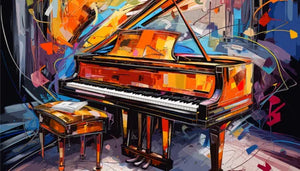
For instance, our abstract wall art collection delivers high-definition visuals and infectious energy on canvas, painting your walls with striking brushwork and color contrasts.

Abstract Art in Art History
Abstract art evolved as artists began to question established norms and look for innovative ways to convey how they felt or what they experienced.
Roots Before the 1900s
Western art for centuries had been trying to be realistic. Perspective and realism were used by artists in the Renaissance and until about the 1850s to mirror nature. However, toward the end of the 1800s, artists began challenging the fixation on achieving a realistic look.
Romanticism, Impressionism, and Post-Impressionism encouraged the growing emphasis on emotion, light, and perception. This led to greater focus on sensation rather than representation, laying the groundwork for the abstracting reality.
20th Century Birth and Modernism
In the early decades of the 20th century, art was at a crossroads, forced to adapt to the changes that science, technology, and new ideas were bringing to everyday life. Avant-garde artists felt the necessity for a new language, breaking away from realism in favor of abstraction. They rejected realistic art and created abstract art, a radical departure from tradition that embraced emotion, idea, and form over accurate representation.
Wassily Kandinsky, often recognized as a pioneer in non-representational art, had been producing expressive works with strong spiritual values in 1911. He was convinced that non-representational art had the capability to transmit concepts in terms of color, line, and movement, rather than in terms of subjects.
During the same period, Piet Mondrian began spearheading De Stijl, a movement concerned with the drastic simplification of geometric forms in art. Mondrian stripped visual reality down to grids and primary colors, aiming to build a universal visual language rooted in balance and harmony.
Kazimir Malevich pushed this even further with Suprematism, which emphasized the supremacy of pure artistic feeling. His use of geometric shapes represented extreme abstraction, unlike anything seen before.
All these abstract voices, and many other artists in the world of fine arts, contributed to the development of what we today consider good abstract art. These artworks focused on balancing the artist’s intention and emotional expression.
Post‑War Expansion
Following the aftermath of the Second World War, a new abstract movement emerged.
Abstract Expressionism emerged in the 1940s and 1950s in New York as a new conceptual art characterized by immense psychological complexity and spontaneous movement. This marked the end of European preeminence in the arts as the United States came to the forefront of cutting-edge art.
Abstract expressionists such as Jackson Pollock and Mark Rothko radically transformed the process of painting. Pollock’s Action Painting emphasized the passionate physicality of art-making, while Rothko developed his Color Field painting by layering translucent, glowing blocks of color to provoke meditation and emotional responses.
Together, they shifted the emphasis away from the image itself towards the artist's intent and the emotional experience of the viewer. Their art contributed in large part towards reshaping the way abstract art is seen, simply as a means of examining humanity's deepest internal experiences.
Other prominent artists in this period also explored hard-edge abstraction and techniques such as abstract pointillism, each finding unique ways to expand the boundaries of non-representational art.

Major Movements and Styles in Abstract Art
As abstract art developed, it evolved into a network of interconnected styles. Understanding the major movements that shaped it goes a long way in explaining why abstract works are so diverse today.
Abstract Expressionism
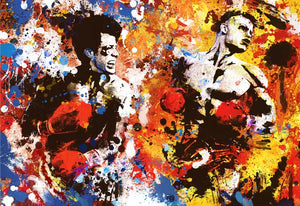
Abstract Expressionism is one of the most significant art movements of the 20th century. It symbolizes spontaneity, expression, and large-format paintings that lack representational elements. During this period, most abstract artists used two major styles, action painting and color field painting.
Action Painting focuses on the physical act of painting itself, where artists drip, pour, or fling paint, making the process visible. Color Field painting, by contrast, uses large areas of color to take the viewer on a contemplative visual experience.
Geometric Abstraction
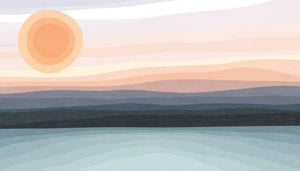
Geometric abstraction is based on precise shapes, clean lines, and orderly composition. Often devoid of recognizable imagery, it pursues clarity, balance, and structure. Some examples of geometric abstraction include De Stijl and hard-edge painting.
Minimalism and Post‑Painterly Abstraction
Minimalism, which gained momentum during the 1950s and 1960s, emphasizes clean lines, basic geometric shapes, and subtle tones. For instance, our minimalist art collection features simple, sophisticated, and abstract pieces that can serve as awe-inspiring focal points in any room.
Post-painterly abstraction followed minimalism, favoring flat surfaces, clear edges, and restrained color palettes. These movements rejected emotional excess in favor of simplicity.
Art Informel, Lyrical Abstraction, and Op Art
Art Informel and Lyrical Abstraction emphasize the value of intuition and brushwork that comes off as raw and deeply personal. On the other hand, Op Art uses optical illusions that misguide the eye using patterns created through contrast. These strands represent the shifting nature of abstraction based on culture, emotion, and philosophy.

Well-Known Abstract Artists and Their Canvas Paintings
Many artists contributed to the development and promotion of abstract art, leaving a lasting influence on all the arts. The following are some of the pioneers:
-
Wassily Kandinsky explored spirituality through color and shape.
-
Piet Mondrian used geometric forms and primary colors to achieve visual harmony.
-
Kazimir Malevich championed pure abstraction with Suprematism.
-
Jackson Pollock redefined abstract painting through action and movement.
-
Mark Rothko created meditative color fields designed to evoke emotional depth.
-
Pablo Picasso created paintings that dismantled traditional representational art through Cubism, paving the way for abstraction across the art world.
Note: Picasso's cubism paved the way for Suprematism, exemplified in Malevich's Black Square (1915), a simple abstract painting with spiritual meaning. Many of these groundbreaking paintings are now housed in major institutions, including the Metropolitan Museum, for their lasting cultural and historical importance.

How to Appreciate and Interpret Abstract Art
Since abstract art is often challenging to interpret, many people dismiss it because it doesn't reflect reality like traditional paintings. You must let go of this mentality to truly appreciate abstract art.
Seeing Beyond the Literal
Instead of looking for recognizable imagery, take your time to notice rhythm, contrast, and balance. Abstract compositions invite contemplation rather than explanation.
Emotional and Conceptual Resonance
Abstract art communicates directly with emotion and the subconscious. Color palettes, textures, and marks convey feelings like tension, joy, calm, or unease. Meaning remains subjective, shaped by your own interpretations.
Using Abstract Art in Spaces
Abstract artwork creates an ambiance in offices, hotels, and commercial spaces. Because it doesn’t rely on a single narrative, abstract art speaks to viewers in different ways while allowing personal connection.

Abstract Art in Interior Design
Many designers use abstract art in modern interiors because it adapts effortlessly to any space.
Canvas Works in Offices and Lobbies
Large abstract paintings promote confidence and creativity, encourage concentration, and professionalism without cluttering the field of view.
Hotels and Hospitality
In hospitality settings, abstract art becomes a focal point. The artwork brings warmth and character to spaces, making them immersive experiences.
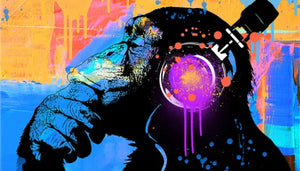
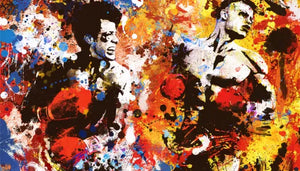
Designers mix abstract pieces with other curated collections, such as Photography, Boho Wall Art, Motivational Wall Art, or cinematic accents like Movie canvas prints to create vibrant and engaging spaces.
Read our dedicated guide on how to choose art for your home for more inspiration and insights on selecting the perfect pieces.
Frequently Asked Questions
What Makes Abstract Art Different from Modern Art?
While modern art includes many movements, from Impressionism to Cubism, abstract art is one specific type that doesn’t try to represent reality. It uses shapes, colors, lines, and forms to evoke emotions or ideas without directly imitating the natural world. So, while all abstract art is modern, not all modern art is abstract.
How Do You Interpret Abstract Art Emotionally?
First, look at how you respond to what you see. How does a color or a shape make you feel? Abstract artists use visual language such as color scheme, brushstroke, or composition to create feelings such as happiness, sadness, tension, or calmness. Unlike representational painting, where there is no right or wrong way to interpret what’s depicted, abstract art is all about how you respond to what you see.
Can Abstract Art Be Representational?
Yes, some abstract art falling under partial abstraction contains recognizable shapes or figures that have been simplified, exaggerated, or distorted. This contrasts with total abstraction, which avoids all visual references.
Is Photography Abstract Art?
It is! Abstract photography uses focus, light, color, and perspective to create a composition that doesn't depict reality in a concrete way. It is a niche area in the visual arts, just like abstract painting, with exactly the same objectives in terms of emotional expression.
How Much Should I Pay for An Abstract Canvas?
When purchasing artwork, the price depends on the scale, materials, and the artist's background. At The GOAT Wall Art, we work with real artists to curate affordable and high-quality abstract art. Check out our office, cat, and fantasy art collections for expressive, affordable artwork.
Should Abstract Art Match My Decor?
It doesn’t have to; in fact, abstract artwork can make the biggest statement when it provides a pop of contrast. Think about the atmosphere that you want to create in your space. Warm colors will add energy to your space, but cool colors will bring a sense of calmness.
What Styles of Abstract Sculpture Exist?
There are many styles of abstract sculpture. These include smooth, organic forms to sharp, geometric structures. Movements such as Constructivism and Minimalism have been influential in three-dimensional abstract art, often focusing on materials, space, and conceptual design.
Final Thoughts
Abstract art continues to shape how we see, feel, and design our spaces. From early twentieth-century pioneers to contemporary abstract painters, this art form proves that meaning doesn’t require literal imagery. It thrives on emotion, movement, and visual sensation.
At The GOAT Wall Art, we curate affordable modern canvas wall art that brings this legacy into everyday spaces. If you’re designing a home, office, or hotel, abstract canvases offer timeless impact and awe‑inspiring presence.