































How to Pick a Size for Wall Art: A Guide to Choosing the Right Fit Every Time
Choosing the right wall art isn’t supposed to be a guessing game. The decision on size selection delays the purchase decision for many people. You might love a piece online, visualize how it can look in your space, and still wonder whether it'll actually fit perfectly in the wall.
This guide breaks down how to pick wall art size, offering concrete, actionable tips that work in real homes. You’ll learn how the size of the art interacts with furniture, wall width, and room layout, and why good placement matters more than hot trends. When filling a big empty wall, building a gallery, or hanging art in dining areas and living rooms, these guidelines can help you land the perfect fit every time.

Why Art Size Matters in Your Space
Visual Impact of the Perfect Size
Wall art plays a structural role in a room. It improves the room's design and defines the wall space. When the size of the art is appropriate for the space, it grounds the room and provides visual interest without detracting from the other design elements.
If the art is too small, it tends to float on the wall, and the surrounding space seems too large. When the art is too large, it can overwhelm the space unless the placement is considered. Remember, bigger is better when it comes to wall art size. Choosing the right wall art and sizing up tends to be the best idea to keep the design elements in the room in harmony with one another.
Psychological Effect of Proportion
Eyes see proportion first and then the other aspects of the art, such as the color and the subject matter depicted on the canvas. Well-designed wall art proportions direct the viewer's eye throughout the room.
That's why bigger pieces often feel more "right" than you'd expect. A well-proportioned large canvas fills the wall with a feeling of purpose, while smaller works demand to be shown with a little more deliberate arrangement lest they appear scattered. Getting the size right can change how a room feels without changing anything else.

Basic Rules on How to Pick Wall Art Size
Rule 1: Fill the Space (The 60 to 75% Rule)
One quick and easy way to decide on artwork is to consider its coverage area on a wall. Ideally, it should measure about 60 to 75% of that wall’s width. This method is most suitable for a blank wall.
How to do it:
-
Measure the width of the wall, using a tape measure.
-
Multiply the number by 0.6 and 0.75.
-
Choose art whose total width falls within that range.
This approach keeps sizing practical and eliminates guesswork.
Rule 2: Over Furniture (Half to Two-Thirds Rule)
When the art is positioned above the furniture, the size of the art is determined by the size of the furniture below. Hang wall art ranging from half to two-thirds the width of the furniture below.
For example:
-
Sofa width: 84 inches
-
Ideal art width: 42 to 56 inches
This rule also applies to beds, consoles, and dining room buffets, among other pieces. It will make the artwork work with the furniture and avoid a top-heavy effect.
Rule 3: Eye Level and the Right Height
In general, the best viewing angle is when the center of the artwork is between the viewer’s eye level and 57 to 60 inches from the floor. These values often correlate with natural body measurements and ensure comfortable viewing without strain.
If you are hanging wall art over furniture, adjust it slightly:
-
Leave 6 to 10 inches of space between the furniture and frame.
-
Let the furniture be the visual anchor for the art.
When to Bend the Rules
Some places may need flexibility:
-
Taller or high ceilings are best for taller art or stacked works.
-
Narrow walls work better with vertical orientation.
-
Multiple pieces could work well together as a single visual interest.

How to Measure for the Right Wall Art Size
Measure the Dimensions of the Wall and Furniture
Begin with accurate figures. Measure the width and height of the wall and the furniture against it. Write this down. Having clear measurements reduces guesswork and helps you size art correctly.
Use Painter’s Tape or Paper Templates
Use a painter’s tape to outline the exact size of the artwork directly on the wall. This method shows you how the art will fit in the space visually, much like wearing clothing on a body.
Just as waist, length, sleeve, or shirt measurements help you choose pants or jackets that fit your body, visual paper templates or painter's tape can help you choose art that fits your wall.
Leave Breathing Room Around Art
Leave some breathing room around every piece. A good rule of thumb is to leave between six and 12 inches of space around the piece and the surrounding furniture, decor, ceilings, or edges. This will prevent the piece from feeling tight and anchor its place within the space.

Statement Pieces vs. Gallery Walls
Statement Art (Single Large Piece)
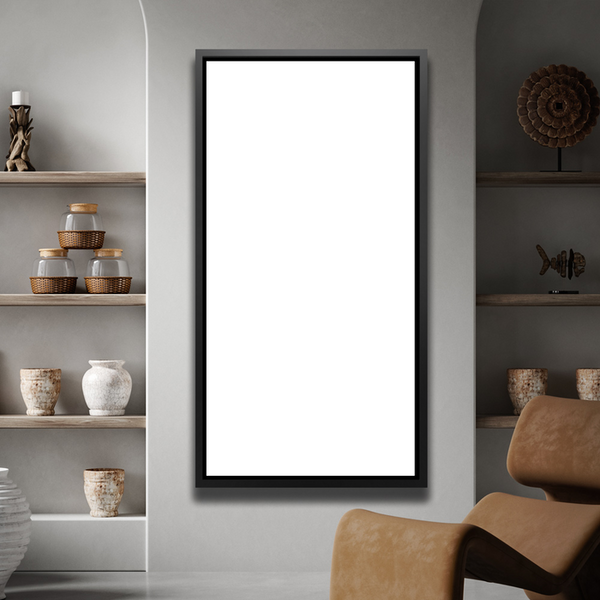
You can hang a large canvas painting individually to make a big splash on a wall. It provides a focal point by dominating the space. These art pieces look best in the living or dining room, where oversized pieces can dominate large walls.
For instance, a large graffiti art in the living room can be a conversation starter that channels the energy of urban life, music, film, and raw street culture into your space. You can also bring inspiration with a large motivational wall art featuring powerful quotes and artistic visuals to inspire and encourage you to reach your highest goals.
Gallery Wall Strategy (Multiple Pieces)
Gallery walls offer a creative way to display multiple smaller pieces while still filling a larger space. Use a variety of art sizes to add dimension and personality. You can:
-
Keep layouts symmetrical for a polished look
-
Mix sizes and spacing for a relaxed, personal feel
Treat the full gallery as a single unit when calculating size. For instance, you can add different pieces, including photography, movies, custom-made, and Halloween wall art of different sizes, but in a single gallery.
Layout Tips for Gallery Walls
-
Keep spacing consistent
-
Align either centers or edges
-
Plan the layout on the floor first
A thoughtful arrangement makes even smaller pieces feel intentional.

Practical Examples and Quick Size Cheats
Bedroom (Hang Wall Art Above the Bed)
For a queen bed:
-
Art width should be 30 to 40 inches.
-
Or use multiple pieces totaling that width.
Keep the art close enough to the headboard so it feels connected rather than floating. If you're looking for pieces that fit perfectly above the bed, read our guide on how to choose art for your home for expert tips to help you find the perfect piece and turn the space into an everyday inspiration.
Living Room (Hanging Art Above a Sofa)
For a 90-inch sofa:
-
Art width should be 45 to 60 inches.
-
Height should be adjusted to the ceiling and wall space size.
Larger canvases work well here, especially bold styles such as abstract art or boho wall art, which can visually anchor the room and deliver high-definition visuals and an infectious energy above the sofa.
Hallways and Entry Walls (Find the Perfect Fit)
Narrow walls benefit from vertical pieces or grouped smaller prints. Typography or themed collections work well here without overwhelming the space. They feature striking designs and power-packed expressions that ooze poetic justice.
If you’re decorating a minimalist apartment or creating a focal point on hallway and entry walls, canvas wall art is an ideal choice to complement your decor. Read our guide on the best canvas prints to complement your home decor for stunning pieces that offer a unique way to transform any space, providing both style and personality.
Frequently Asked Questions
What Is the Right Size for Wall Art Above a Couch?
The golden rule is that your artwork should measure half to two-thirds the width of the sofa. This proportion keeps the art visually connected to the furniture and prevents it from feeling like an afterthought.
For example, if your sofa is 90 inches wide, choose art between 45 and 60 inches wide. This range works especially well on a wide wall, where smaller pieces often disappear. When placing art above a couch, keep the bottom edge about 6 to 10 inches above the backrest.
How Big Should Art Be on an Empty Wall?
On a blank wall with no furniture, fill about 60 to 75% of the wall width with artwork. This guideline helps you avoid choosing art that looks fine on its own but feels lost once it’s on the wall.
Large walls look better with either a single substantial piece or a grouped layout. If the wall feels too open, size up to create a stronger result than adding multiple undersized pieces.
What If My Wall Is Tall but Narrow?
Tall, narrow walls need vertical balance. Choose artwork with more height than width, or stack pieces in a vertical arrangement. This approach draws the eye upward and works with the wall’s natural proportions instead of fighting them.
Avoid wide horizontal pieces here. They tend to feel cramped on narrow walls, leaving awkward gaps above and below.
Should Art Always Be Centered at Eye Level?
In most cases, yes. The center of the artwork should be approximately 57 to 60 inches from the floor, which aligns with average viewing height and is comfortable for the body.
However, when placing art above furniture, the furniture sets the reference point. In that case, the focus is less on strict eye level and more on keeping the art visually connected to what lies below.
How Far Apart Should Frames Be in a Gallery Wall?
Keep spacing between frames consistent, ideally 2 to 3 inches. Even spacing creates rhythm and makes the arrangement feel intentional.
When working with pieces of a different size, measure from the edges, not the centers. Consistent gaps matter more than identical frame dimensions. This approach helps gallery walls feel curated and less cluttered.
Is There a Standard Wall Art Size Chart?
Size charts can offer a starting point, but they don’t account for real-world factors like wall width, ceiling height, or furniture placement. Measuring your actual space will always lead to better results.
Different brands use different size naming conventions, so don’t rely on labels like “large” or “medium” alone. Always check the exact dimensions and compare them to your wall before making a decision.
Can Large Wall Art Make a Small Room Feel Bigger?
Yes, when you choose the right proportions. One well-sized large piece can make a small room feel more open than several smaller pieces competing for attention.
A single focal point reduces visual noise and creates clarity. This approach works particularly well in rooms such as bedrooms or home offices, where a balanced calm matters more than variety.
Conclusion
Learning how to pick a size for wall art involves understanding proportion, measuring carefully, and trusting structure over guesswork. The right size can transform a room, bringing balance, warmth, and visual clarity without changing anything else.
If you’re ready to apply these guidelines, explore collections designed to fit real spaces, from bold psychedelic wall art to fully custom-made pieces tailored to your measurements. When the size feels right, the room will follow suit.