































How to Hang Canvas Art: A Simple Step-by-Step Guide
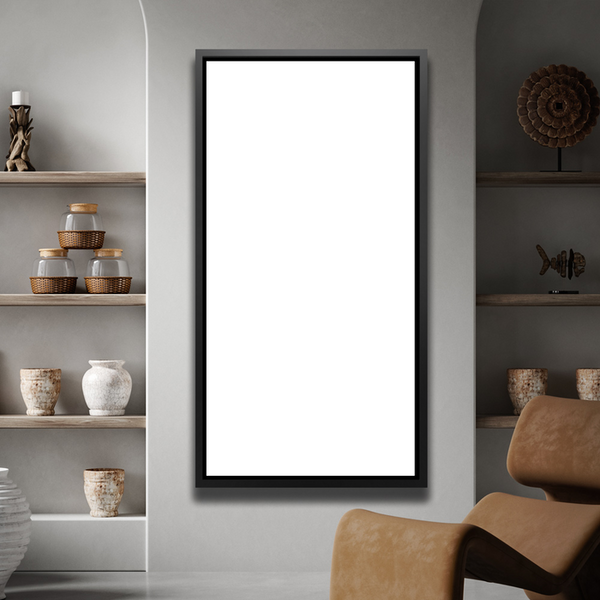
Hanging artwork at home can be very exciting when you know how to turn blank walls into an expression of creativity, giving life to your room. You can make a visual impact in your living room, office, bedroom, or corridors by hanging art properly at eye level.
The following step-by-step tutorial shows you how easy it is to hang canvas art. With some basic knowledge and skills, you can turn even the most intimidating blank walls into an art gallery. Here are some tips on how to hang wall art effectively.

Step 1: Choose the Right Location for Your Canvas Art
Before hammering the nails on the wall to hang your artwork, take your time to determine the perfect spot for your canvas art.
Assess the Wall Space
First, assess your canvas size compared to the available space on your walls. Large artworks are best suited as a central feature, and you can arrange smaller artworks into an aesthetically pleasing arrangement on a gallery wall. If you're hanging artworks on walls above your furniture, create a harmony between the art and furniture. Maintain a good amount of space, six to 10 inches, below your artwork when hanging it above the couch or a console table.
Determine the Ideal Height
When determining wall art positioning, consider eye level, which is generally calculated from 57 to 60 inches from the floor to the centre of the canvas art. This setting may vary when positioning a large piece of wall art, such as a gallery wall grouping, so position it based on the overall balance of your space. For example, a large wall art piece, such as a boho wall art, hung over a dining table, consider positioning it slightly higher than 60 inches.
You should also take note of the size and depth of your artwork and surrounding decor so that it fits perfectly in its position. When it comes to photography, abstract art, movie posters, and motivational artworks, position your artwork at a specific height that will make it stand out and match your decor.
Always take into account the joy it brings when the art complements furniture and accessories within a room. If you're unsure about the ideal piece for the room, read our blog on how to choose art for your home for further tips and recommendations from our team.

Step 2: Gather the Necessary Tools and Materials
The following tools and materials can help you hang your artwork securely and ensure it remains perfectly aligned.
Measuring Tape
The measuring tape is useful in positioning the artwork to measure the length from the floor to the center of the artwork. It also helps when placing your canvas on the wall and measuring the space between artworks or other objects. A measuring tape will help you avoid wrong placement and lead to a clean and balanced display.
Pencil
Use a pencil and make light marks on your walls for reference points. You’ll use these marks as guidelines for nailing and hanging hooks for your canvas artworks. Ensure your marks are light so that you can remove them without damaging your walls.
Level
You'll need a level to hang your canvas art, as even a slight tilt can disrupt the visual balance. Use the level to check if your artwork is properly positioned horizontally and vertically. It’ll make sure that your canvas doesn’t look asymmetrical and disrupts the natural flow.
Nails, Picture Hooks, or Hanging Wire
For large canvas wall art, use wire hangers, picture hooks, nails, or D-rings to support the canvas. It's worth noting that when working with large canvases, use two nails or wall anchors that can withstand the weight.
Hammer
Finally, you’ll need a hammer to secure the nails or hooks in place. Use the hammer to gently drive the nails securely into the wall to hold your artwork safely.

Step 3: Measure and Mark Your Wall
A perfectly hung canvas art piece begins with precise measurement. The following are the steps on how to measure and mark your wall:
Measure the Canvas
Begin by taking the measurements of your canvas. Determine the center of your artwork by measuring the artwork's width, dividing it by two, and positioning it in the middle of your wall. Additionally, measure the head of your canvas to your hanging wire or D-rings. This is useful in positioning your nails or picture hooks, ensuring your canvas hangs at the ideal level.
Mark the Wall
Now that you have your measurements, use the pencil to make light markings on the wall where the center point of your canvas art should be. After that, you need to measure the wall where you’ll hang your artwork. Most experts, including artists, recommend that people position their artwork at eye level, which is 57 to 60 inches from floor level to the center of the artwork. This typical rule for gallery-quality displays ensures your canvas art isn't too high or too low for the eyes.
Next, measure the distance from the top of the canvas to the hardware, then transfer this measurement to the wall, marking where you'll hammer the nails or hooks. This positions your canvas art at the correct height and ensures it doesn’t shift once it’s hung.
For larger art pieces, consider the length of your wall from the floor to the ceiling. This allows you to treat the wall as an intentional space for artwork. Don’t forget to get second opinions from friends and family when choosing the final position. They may have comments on how the art fits in your room’s design.

Step 4: Prepare the Hanging Hardware
Prepare the right hanging hardware to display your artwork. Depending on the canvas size, you may need to use D-rings, hanging wire, or picture hooks to ensure a sturdy and balanced display.
Attaching D-Rings
If your canvas isn’t pre-equipped with D-rings, attach them 1-2 inches below the corners of your canvas. D-rings play a significant role in ensuring that your piece maintains balance.
Using Hanging Wires
If the canvas has a hanging wire, you’ll need to thread the wire through the D-rings to twist it securely at each end. The wire should be taut, but not overly tight, to give the canvas enough flexibility to hang correctly. Leave about 3-4 inches of slack so the canvas art will hang at the appropriate height.
When attaching the wire, ensure it’s not too long or too short. The correct wire length will secure your art in the exact spot you envisioned. If you prefer additional stability, you can upgrade to a wire hanger for all hanging options. This upgrade provides better weight distribution and more flexibility in adjusting the hanging height of your artwork.
Wire vs. Sawtooth Hangers
While sawtooth hangers are simple and easy to install, a wire hanger offers more flexibility in adjusting the hanging height and is better for supporting heavier pieces. If you're hanging a larger, more substantial canvas, the wire hanger option is a more reliable choice for keeping your artwork steady and level.
Choose the Right Nails or Picture Hooks
For lighter canvas pieces, simple nails will work fine. However, for larger or heavier artwork, use picture hooks or wall anchors to support the weight. Photo hooks are more secure and will allow the canvas to hang evenly. Use two nails to improve stability and prevent the artwork from tilting or shifting over time.

Step 5: Install the Nails or Hooks
Once your hanging hardware is ready, it’s time to install the nails or hooks. Here’s how you can do it:
Place the Nails or Hooks in the Wall
Align the nails or hooks with the marks you’ve made on the wall. Use a hammer to drive the nails into the wall or a drill for screws and wall anchors. If you’re using picture hooks, follow the manufacturer’s instructions to install them properly.
For canvas art with wire hangers, position the nails or hooks at a height where the wire will sit comfortably when pulled taut. If you choose this method, your canvas will hang naturally and level with ease, and you’ll have a secure display.

Step 6: Hang Your Wall Art
Now that the nails or hooks are installed, it’s time to hang your artwork. This is the moment you've been waiting for, so ensure everything aligns perfectly.
Hanging with D-rings
For canvas art with D-rings, carefully place each ring over its corresponding nail or hook. Ensure that the artwork is balanced on both D-rings to avoid tilting. If the canvas feels slightly off-centre, gently adjust the D-ring on one side to correct the alignment.
Hanging with Wire Hangers
If you’re using hanging wire, first stretch it tightly and place it over the nails or hooks. The wire should sit snugly on the nails, but not be so tight that it pulls the canvas off-centre. The goal here is to allow enough slack in the wire for the canvas art to hang naturally.
Adjust for Symmetry
Take a step back to examine your artwork for symmetry. Hang your canvas art centered on your wall, balancing it with furniture. If your art seems slightly crooked, take it down from the nails and readjust it. This will help you hang your art perfectly, giving it a polished, balanced, and cohesive look.

Step 7: Check Alignment and Adjust
After mounting the canvas paintings, check for final tweaks to ensure that everything is lined up properly.
Level the Canvas
Use your level to confirm if the canvas art is straight. Even if it looks level by eye, a level will help you verify that there’s no tilt. If the artwork is off by even a little bit, adjust the nails or hooks accordingly. You don’t want your artwork to look out of place, so leveling is a necessary step to keep the display looking professional.
Final Adjustments
Now that your canvas art is straight, take a step back to analyze how it affects the entire room décor. The canvas art may not go well with the other wall art pieces in the room, but with a slight modification in positioning, it can look amazing. The aim is to make your art part of the room décor, with careful positioning that will add depth to the space.
With these steps, you’ll find hanging canvas art to be a satisfying job. Whether it’s your first time or you’re an experienced decorator, remember that hanging art is an enjoyable post-project task that gives you the chance to showcase your style. If you try all these steps without success, contact us for professional installation services and a collection of canvas pieces that will elevate your home.
Frequently Asked Questions
Can I Hang a Canvas Painting Without a Frame?
Yes, you can hang canvas art without a frame. Many prefer the clean, modern look of an unframed canvas, especially when the paint covers the edges. Frameless artwork creates an understated aesthetic that stands out on its own. However, if you like a more polished look, framing is the better method. If you want to leave the edges exposed, wrap the canvas around a wooden frame to protect it from wear and tear and maintain a sturdy structure.
How Do You Hang Wall Art on the Wall Without Nails?
If you prefer not to use nails, command strips or adhesive hangers are great alternatives. These can hold the canvas securely while being gentle on your walls, which can save your house from any permanent damage. Adhesive options are perfect for smaller pieces, but for tall or heavier artwork, consider picture hooks or wall anchors for secure placement.
Does Canvas Look Better, Framed or Unframed?
This depends on your style preference and the room you’re decorating. Framed canvas often creates a more traditional or formal look, especially with tall pieces or gallery-style displays. However, an unframed canvas gives a more casual, relaxed vibe and is perfect for a modern look, especially in minimalist rooms. The right choice depends on the overall decor of your house and how you want the art to interact with the space.
What Can I Use If I Don’t Have a Picture Frame?
If you don't have a picture frame, consider using a hanger or string to suspend your canvas from a ceiling hook or rod. This method can be an interesting, modern way to display art without using traditional frames. Alternatively, use wall hangers specifically designed for canvas pieces. For larger artwork, wire hangers are a great option to keep your canvas level and secure.
Do Command Strips Work for Hanging Pictures?
Yes, command strips are useful for hanging pictures and canvas art. They’re great for light artworks and offer an easy, stress-free alternative for renters or those who don’t want to drill holes in the walls. But for very tall and heavy artworks, it might be better to use picture hooks or wall anchors. Note that command strips are best for small artworks or prints, so check weight limits before using them.
Conclusion
Hanging canvas art may seem like a complicated process, but by following these simple steps, you can transform any blank wall into an eye-catching display. With the right tools, a bit of precision, and careful planning, hanging art is a straightforward and rewarding task.
Don't be afraid to get a little creative with your art, and keep in mind that every piece has a different purpose in your design. Ready to get started? Visit the GOAT Wall Art online for exclusive artwork on canvas and find the perfect piece for your room.