
































How to Arrange Wall Art: Expert Tips for Stunning Display
A striking art arrangement transforms your space, sets the tone, and breathes life into your surroundings. When working with bold art prints, different frame styles, or various mediums, knowing how to arrange wall art in a room reflects your style and creativity.
In this in-depth guide, we’ll explore practical tips and visual strategies for hanging wall art to match your interior design and complement existing home decor.

Mastering the Basics
Understand the Purpose of Your Art
Every great wall art arrangement starts with a purpose. Ask yourself: do you want the art to be a centerpiece or to blend in with other design elements in the room?
For instance, you can hang bold graffiti art in your living room or hallways to start conversations, or use soft, earthy boho wall art to bring in a calming, grounded feel in your bedroom. Each piece should add a layer of depth and emotion that leads the mood of the space. If you’re decorating a dining room, choose framed artwork that adds warmth and gives life to conversations at mealtime.
Measure the Blank Wall, And the Space Around It
Before hanging art, measure the width and height of your wall space. Consider the surrounding furniture and architectural elements, such as windows or moldings, to complete your measurements and ensure the art doesn’t look cramped or misplaced.
Use painter's tape to outline your art arrangement directly onto the wall. Create cutouts of your artwork on paper and tape them up to preview the final look. This step allows you to adjust spacing, alignment, and composition without making unnecessary holes.
Remember to consider how much space you leave between frames. Matching frames close together can be overbearing, while too much space between smaller pieces diminishes their effect.

Design Fundamentals: How to Arrange Wall Art Like a Pro
Start with a Focal Point
Choose one strong visual anchor to build an arrangement around, such as a large canvas or a framed statement piece from your photography art collection.
Hang the art as a focal point at eye-level to ground your display. Take, for instance, a dramatic black-and-white photo with clean-lined picture frames to give any room a sophisticated edge. Placing art with a strong theme, like movie posters or large abstract prints, reinforces the energy you want the space to convey.
Stick to Eye Level, But Know When to Break the Rule
The general rule is to set the center of your piece 57 to 60 inches from the floor, which aligns with standard eye level. Nonetheless, let your space guide you.
-
Above the Furniture: The artwork should be aligned 6-8 inches above the furniture line.
-
In Stairways: Increase the step height to match the slope.
-
In Kids' Rooms: Lower the art to their eye level.
Don’t treat the rule so rigidly. If you’re building art galleries or working with high ceilings, feel free to tweak placement for visual impact. Pay attention to various arrangements that promote visual balance. An unbalanced layout can make even the most beautiful artwork feel out of place.
Symmetrical vs. Asymmetrical Arrangements: Picking the Right Style
Symmetrical layouts create order and formality. Using identical frame styles and sizes creates a classic grid that works exceptionally well in modern or minimalist interiors.
Asymmetrical arrangements tend to be more expressive. Combine frames with different shapes, sizes, and styles into a balanced composition. Anchor the design with a heavier or larger piece, then balance the weight with smaller artworks or sculptural objects.
Compared to symmetrical arrangements, asymmetrical placements work especially well in adding visual interest to a wall with mixed textures or unusual shapes. Create a rhythmic flow by hanging art at varying heights to keep the viewer's eyes moving.

Planning the Perfect Layout
Use Templates for Art Placement
Before you commit to nails, plan your wall art layout. Lay all your pieces on the floor and rearrange them until the composition feels cohesive.
Explore layout ideas like:
-
Symmetrical Grid: Clean, modern, ideal for framed prints.
-
Salon Wall: A thoughtfully curated display of art and memories in different sizes.
-
Linear Rows: These are great for hallways or above long furniture pieces.
Use painter's tape and paper templates to implement various arrangements on the wall. This preview prevents mistakes and quickens installation. Also, don’t forget about horizontal rows in tight spaces. A horizontal row of small framed art pieces can turn the narrow spaces into interesting visual passages.
Mix Different Media and Frame Styles With Intention
When you mix and match, stay intentional. Pair photography with canvas prints, or blend abstract artwork with typography from our motivational wall art collection.
You can also balance modern art with vintage frames or contrast gold frames with natural wood. Decide on one or two unifying elements, such as color, theme, or thickness, to maintain a cohesive display.
Experiment with different media, such as metalwork, digital prints, or textiles, to add texture to your arrangement. Variety adds depth, especially in gallery walls and eclectic living rooms.
Grouping Art Prints for Impact
Form groups with a purpose. Odd numbers-three, five, seven-are dynamic and natural. Allow two to five inches between each piece for a clean finish.
Employ vertical groupings in narrow walls or against tall furniture, and use horizontal groupings in dining rooms or over beds. Combine large and small art for rhythm and movement, and don't be afraid to layer art with decorative objects.
You can also create mini themes within one gallery wall arrangement. Family photos, modern canvases, and black and white photos look good with similar picture frames.

Avoiding Common Art Arrangement Mistakes
Ignoring Scale and Proportion
Avoid placing a small piece of art on a vast blank wall, as it’ll feel underwhelming. If your space calls for drama, go big. Choose an oversized piece or create a gallery wall with smaller pieces arranged with intention.
Make sure the size of the art is in scale to the dimensions of the wall and surrounding furniture. Oversized art is great over a sofa or above an entryway where the ceiling is higher. Keep it compact in small rooms or narrow spaces, but still be intentional with your arrangements.
Forgetting to Let Your Wall Art Have Space
Don't overcrowd your display; spacing matters. Let your artwork have room to stand out and breathe life into the room.
Leave enough space between each piece and consider the overall balance of your wall. Leaving a space creates contrast and clarity. When your eye can move comfortably across the arrangement, the design feels more cohesive and relaxed.
Let white space work for you. It gives each piece of art prominence and reduces visual clutter.

Room-by-Room Guide to Arranging Wall Art
Art Placement Tips in the Living Room
Your living room often serves as the heart of your home. When hanging art above a couch, it's a good idea to aim for pieces that span two-thirds of the width of the furniture.
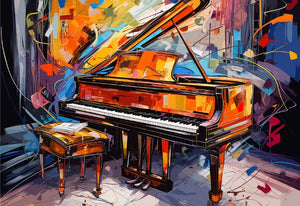
Choose a bold piece from our music art collection to reflect your style, or build a gallery wall that includes framed prints and family photos for a personal touch. Align the bottom of the lowest frame roughly 6-8 inches above the back of the couch.
If you have multiple seating areas in your living room, create small gallery walls in each zone to maintain consistency.
Bedroom Wall Art Strategies
Set the tone for rest or romance in your bedroom with calming or expressive wall art. Make sure your artwork spans about the same width as your headboard.
Consider creating symmetry by using two identical frames, one on either side, or using a central framed art piece as the focal point. Match the frame colors with linens or other accessories for harmony.
Also, consider hanging art across from the bed to provide a calming focal point when you wake up.
Hallways and Transitional Spaces
Hallways provide great opportunities to hang pictures that tell a story. Think in terms of sequences of smaller artworks, black and white photos, or thematic collections.
Create consistency in a centerline when placing pieces along a hallway wall. For staircases, step the art upward with the incline to maintain rhythm. Go vertical for narrow walls or corners with stacked art or petite framed artwork to add charm and interest.
Display collections of smaller artworks in tight spots to convert even the smallest empty wall into an artful feature.

Hanging, Spacing, and Maintenance
Tools and Hardware to Use
Select picture-hanging tools appropriate for your wall type. With heavier art, or framed art, use drywall anchors or wall studs. For light pieces, adhesive hooks or command strips can hang the art perfectly.
Use eye level to ensure straight lines and avoid misaligned frames. Check the weight limits before hanging any artwork, especially on thin drywall or rental walls. When in doubt, always consult a local hardware store or read the product instructions carefully to avoid damaging your walls.
Maintaining Your Wall Art Over Time
Dust framed prints and canvases regularly with a dry microfiber cloth. Avoid hanging artwork in areas with direct sunlight or high humidity, such as bathrooms or near windows.
Consider rotating artwork each season to refresh your living space. Swap in bold movie-themed art during the winter, or add seasonal canvas prints, such as Halloween art and Christmas art that match your current mood and the trends in decor.
Protect your collection with UV-resistant glass in framed artwork, or place it out of direct sunlight. This will extend the life of your art while keeping it as vivid as possible.
Frequently Asked Questions
What Is the Best Way To Arrange Art of Different Sizes on a Wall?
Once you're ready to arrange art in a variety of sizes, start with a large, central piece that acts as your anchor. From there, balance other, smaller pieces around it to create a cohesive look. Make use of the space you have. If you need to make the most of the vertical space, group your pieces in various layouts. For instance, group them in grids or salon-style arrangements, while maintaining consistent spacing, say, 2-3 inches between each piece, to keep the display unified. Feel free to mix different styles, but make sure they work well together in terms of color scheme or subject matter.
How Do I Mix and Match Wall Art?
Mixing and matching wall art is about finding harmony through contrast. First, choose an overarching theme or color scheme. You can juxtapose bright paintings with more muted prints or mix art from different styles, such as abstract and photography, but make sure the overall display is balanced. Consider the size of the pieces and how they fit together to avoid overwhelming the wall space. Play with different layouts, such as a grid or asymmetrical arrangements, to keep the display interesting. If you want to create a style that is uniquely yours, add natural elements or even quirky thrift-store finds to give your interior design character.
What is the 3-Color Rule in Art?
The 3-color rule is a great way to ensure your wall art placement feels harmonious. By sticking to three dominant colors, you can create a balanced and visually appealing display. For example, pair a few colorful paintings with neutral frames or accent pieces that fit the color scheme. This creates a unified look, especially in larger spaces like living rooms or dining areas, where you want your wall decor to feel cohesive. Stick to your chosen colors for the entire display, and avoid introducing too many additional hues that might disrupt the flow.
What are The Different Frame Styles for Wall Art?
Get creative with your wall frame ideas by mixing up materials and shapes. Choose a mix of sleek modern metallic, rustic woods, and even unconventional geometric patterns to add dynamism to the display. For a unique style, consider driftwood frames to give your wall a beachy vibe, or layer mismatched frames in different sizes for a more eclectic look. You can also experiment with framing smaller pieces of art in a gallery wall setup above a console table, where the arrangement brings both elegance and personality to your space.
How Many Pictures Should Be in A Gallery Wall?
The number of pictures in your gallery wall will depend on the wall space and the effect you want to achieve. A good rule of thumb is to go with an odd number of pieces, three, five, or seven, because it feels more balanced and dynamic. Consider the size of your pieces and how they work together when arranging a gallery wall. For larger walls, a mix of small and large artworks can make a striking impact. A mix of frame styles and art from various media, such as photographs or framed prints, adds variety and interest to the gallery wall arrangement. Keep the spacing between art uniform, about 1/3-6 inches, depending on size.
Breathe Life Into Your Wall Space with Stunning Art Arrangement
When arranging wall art, you want to display your experiences, interests, and even personality. If you're styling a single piece or curating a large gallery wall, take your time to plan, preview, and perfect the display.
We believe your walls should speak volumes. Explore a range of diverse collections from modern photography to timeless boho pieces, and find just what you're looking for to add to your space. Feel it, frame it, hang it, and let your home tell your story, one piece of art at a time.